On having a name people can't say
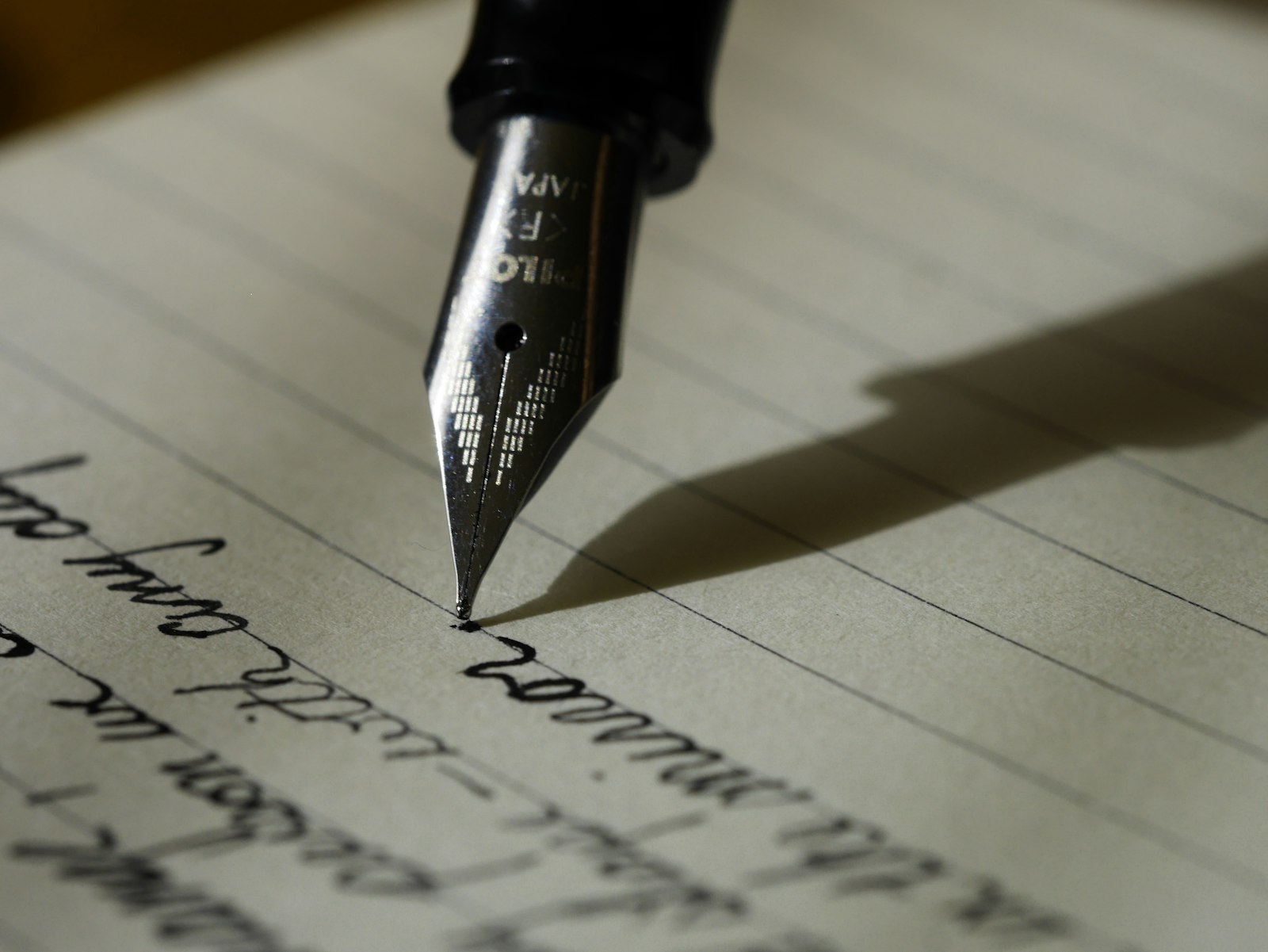
My name is Oluwapeluwa. Six syllables, and I can tell you exactly how long it takes a stranger to decide what to do about them: about a second and a half. There is a pause, a small intake of breath, and then one of four things happens.
They attempt it. They skip it. They laugh nervously and say “wow, that’s a mouthful.” Or, rarest and best, they ask me to say it first.
The inhale
If you have a name that travels badly, you develop an unusual skill: you can hear someone deciding. On a call, in a queue, at the start of a meeting, there is a beat where the reader reaches your name in the list and their voice changes register slightly, the way a car does when it hits a speed bump it saw too late.
I have watched people get to my name and simply stop. Not skip it, not fumble it, just stop, as though the sentence had run out of road. I have been called “the next candidate” by someone holding a piece of paper with my name printed on it in a clear font. It is not malice. It is the entirely human fear of being wrong out loud, and I understand it, which is why I have spent most of my life making it easy for everyone but me.
That is the part I have been unlearning.
The shortening industry
Ipeluwa is what most people call me, and I chose it, so it is not a grievance. But it arrived by attrition rather than decision, the way a river finds the easy side of a hill. Oluwapeluwa became Ipeluwa, which becomes Pel about twice a month, and roughly once a year someone tries to skip to the finish line and asks, gently, whether they can just call me P.
The name means, more or less, that God is with us. Nobody has ever asked. Meanwhile I know the etymology of the surnames of half the people who have never once asked about mine, because their names came with the ambient education of the culture we all consume. Mine requires a question, and questions require admitting you do not already know.
Then there is the offer, delivered kindly, usually by someone who thinks they are solving a problem for me: “do you have an English name?” I know what is meant. I still find the question quietly astonishing, because underneath it is the assumption that the friction lives in me rather than between us. No is a complete sentence, and it has taken me an embarrassing number of years to say it without softening it into an apology.
What good looks like
Here is the thing I actually want to say, and it is not a complaint. Getting someone’s name right is the cheapest kindness available to a human being. It costs one question, about four seconds, and a willingness to be corrected twice.
The people who do it well all do the same small thing: they ask, they try, they get it wrong, they try again, and then they simply use it. No ceremony, no performance of effort, no announcing how hard they are working. A colleague once wrote my name phonetically on a sticky note on his monitor for a week. He never mentioned it. I noticed it on day three and have thought about it warmly ever since, which tells you how low the bar is and how rarely people clear it.
The reverse is also true and worth saying plainly: repeatedly mangling a name you have been told twice is not a quirk of your ear. It is a decision about how much someone is worth the effort, and everyone on the receiving end can read it perfectly.
The domain
Which brings me to this website. Ipeluwa dot wtf started as a joke about how most of my work feels, but I have grown fond of the second reading. My name has spent its whole life provoking a small, confused reaction in rooms that were not built for it, and I have put that reaction directly into the address. If you are going to be a question, be a good one.
Your name is the first thing you are given and the last thing anyone says about you. Mine is Oluwapeluwa. It is not hard. It is just unfamiliar, and those are very different problems, only one of which is mine to solve.
No account, no tracking. One vote per reader.